A peculiar kind of ennui takes over the moment the referee blows for halftime. It’s an opportunity for the players on the field to go down the tunnel and hear a tactical breakdown. However, the “Half-Time Huddle” is only getting started for the thousands of spectators in the grandstand or the people crammed three deep at the local pub’s bar. The strain of the game and the hectic speed of contemporary life collide in this fifteen-minute blur.
In the past, halftime was rather straightforward: you would wait for the second half to begin and line up for a lukewarm pie. It’s a busy digital routine these days. The terraces are bathed in a sea of luminous phone displays the moment the whistle blows. The “huddle” is now taking place in everyone’s palm rather than just at the pie stand.
The Mad Scramble for Signal
The first instinct for any modern supporter when the break hits is the “phone lift”—that desperate search for a bar of 5G in a concrete stadium. Once they’re connected, it’s a race to see what the rest of the world thinks. Was that tackle actually a red? Did the ball cross the line? Within seconds, fans are scrolling through social media (X, Insta, Reddit to name a few), transforming from spectators into amateur forensic analysts. They’re dissecting slow-motion replays and xG stats with the kind of intensity usually reserved for a boardroom.
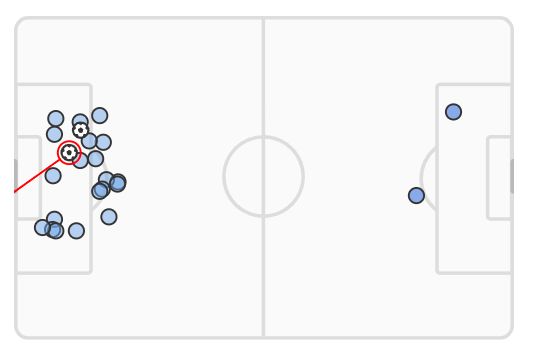
Internal player ratings also begin to circulate in the group chat at this point. The top striker is fortunate to be on a 5/10 after being denied service for the majority of the half, while the keeper may be resting on a good 8/10 following that fingertip save in the 20th minute. The question of whether the midfield engine, currently working a 7/10 shift, has enough fuel left for the next 45 minutes is one that fans like debating. Additionally, the “around the grounds” inspection is at its busiest during this period. Those fifteen minutes can see contrasting emotions if there are a few quid on an acca. In the hopes that a chance goal elsewhere won’t destroy the entire weekend, supporters are keeping tabs on scores from three other divisions.
It’s also the peak time for the “around the grounds” check. If you’ve got a couple of quid on an accumulator or you’re obsessing over your fantasy league captain, those fifteen minutes are a rollercoaster. You aren’t just watching your own team; you’re tracking scores from three different divisions, praying that a random goal in a rainy Tuesday night fixture elsewhere doesn’t ruin your entire weekend.
Maintaining a High Adrenaline Level
The other half of the audience is merely attempting to prevent the adrenaline from falling, while the other half is occupied with debating strategies. It’s difficult to turn off the excitement of a live game, and if the first half went really well, the fifteen-minute break could seem like forever. Many supporters seek a quick way to stay in the zone to close the gap.
While some are queuing for a pie, others are glued to their phones, either checking their fantasy lineups or visiting a casino platform like Gaming Club for a few quick rounds to keep the competitive energy going until the whistle blows. For some, it’s a sort of side-game tradition or a quick method to maintain a competitive edge as you wait for the players to return. It ensures that the matchday anticipation doesn’t subside before the second-half kickoff by adding a different kind of excitement to that awkward pause.
The Soul of the Concourse
The club’s essence still resides in the actual huddle, even if everyone is glued to their phones. Shouting, chanting, and the scent of expensive burgers will overwhelm your senses when you enter any stadium concourse. “Fan-speak” is most prevalent here.
The break is a pressure valve. It’s where total strangers become best mates for ten minutes because they both think the left-back is having a nightmare. Football is a community rather than just a ninety-minute sport because of its social aspect. Even when fans use their phones to share replays or memes with one another, they do so in unison, fusing the virtual world with the unfiltered, loud reality of the stands.
Getting Ready for the Last Push
Half-time isn’t just a pause in the action; it’s its own mini-event. It’s a frenetic era of connectivity that keeps the modern fan wired. By the time the ref blows to start the second half, the crowd has already been through a match of its own, fully recharged and ready to scream themselves hoarse for the final forty-five.

Some of the great games in club footy have literally been a story of two halves- example being the Reading v Arsenal game that saw the latter come from 4-0 down to win 7-5. Another example, for those slightly older (almost 25 years ago), is United trailing 3-0 to Spurs at the interval but going on to win 5-3.