Croatia arrive at the 2026 World Cup carrying more questions than at any previous tournament, and yet the temptation to write them off comes with a significant health warning.
This is a nation that has finished third, reached a final, and finished third again across three of the last five World Cups, consistently producing performances that have defied every assessment of what their resources and population should allow.
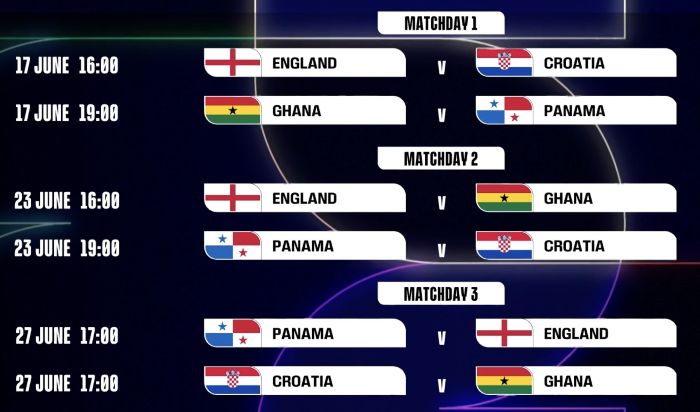
With the England vs Croatia odds making Zlatko Dalic’s side significant underdogs in their group, the question is not whether Croatia have been great. It is whether they can be great one more time.
The ageing generation
The most significant factor shaping Croatia’s 2026 campaign is one that no coaching staff can solve. Luka Modric, almost certainly making his fifth and final World Cup appearance, will be 41 years old in September. Ivan Perisic is 37. Andrej Kramaric turns 35 during the World Cup. Mateo Kovacic, one of the youngest of the golden generation, recently turned 32, but will be 36 by the next World Cup, making this effectively his farewell tournament too.
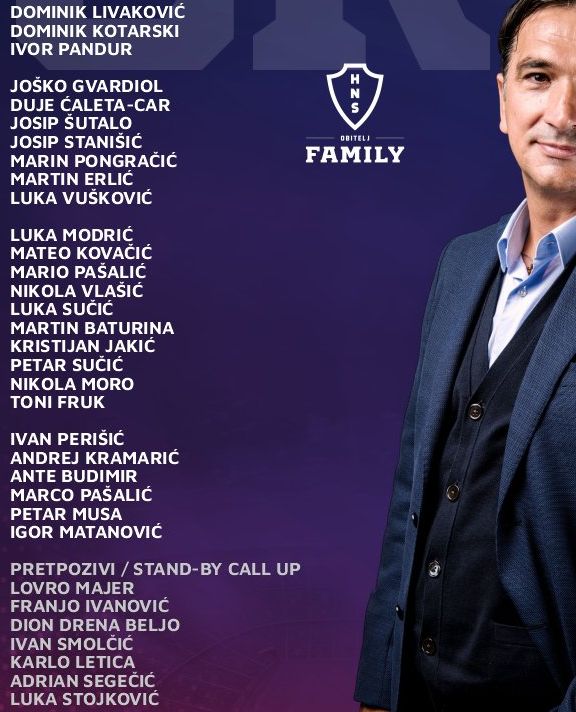
These are not players who have simply aged. They are players who have carried Croatia to heights that a nation of four million people has no right to reach, and the idea of them on a World Cup stage for the last time carries genuine emotional weight.
The concern is not their quality in possession, which remains considerable, but their capacity to sustain the physical intensity required across a knockout tournament in summer heat in North America. At Qatar 2022, Croatia played seven matches, including three that went to extra time, and the physical toll was visible. Replicating that across a longer, hotter tournament at advanced ages is a significant ask.
The wider context
Croatia’s FIFA ranking tells a story of fluctuation that reflects the squad’s own uncertainty about its direction. After reaching a peak of fourth in the world following the 2018 World Cup final, they dropped as low as 18th in 2021 before recovering to sixth in 2023 on the back of their third-place finish in Qatar.
They now sit 11th, a position that reflects a squad in transition, capable of excellence but no longer the consistent force of recent years.
The next generation of Croatian talent has not yet established itself with the same authority. Josip Sutalo, Lovro Majer, and Luka Sucic have shown promise, but none has demonstrated the capacity to carry a World Cup campaign in the way Modric, Rakitic, and Perisic have done across the past decade.
An ageing, albeit talented squad, can be found out at World Cups- as it happened to the Czechs in the 2006 edition.
The case for optimism
Croatia have never been properly fancied at a World Cup and have consistently outperformed expectations. Their tournament experience, their tactical discipline under Dalic, and the motivation of a golden generation playing together for the last time could yet produce something special.
World Cup betting markets may offer value on Croatia reaching the knockout rounds. Their group, containing England, Ghana, and Panama, is not straightforward, but a side of their experience will back themselves to progress.
The opening match against England in Dallas on 17 June will define the tone of their entire campaign. A win would send a message that this generation has one more statement to make. A defeat would leave them needing results in matches they cannot afford to lose. Either way, Croatia will not go quietly. They never do.